Our eyes are often described as the windows to the soul—but they are also windows into our health. Many people associate eye diseases with aging, diabetes, or genetics, but few realize that thyroid disorders can also impact vision. Thyroid Eye Disease (TED), also known as Graves’ Ophthalmopathy, is an inflammatory condition that affects the tissues surrounding the eyes. As we step into Thyroid Eye Disease Awareness Week, it’s important to understand this condition, recognize its signs early, and seek specialized care from an experienced Retina specialist in Aurangabad who can evaluate and manage eye health holistically.
Understanding Thyroid Eye Disease
Thyroid Eye Disease is an autoimmune condition that occurs when the body’s immune system mistakenly attacks the muscles and soft tissues around the eyes. It is commonly associated with an overactive thyroid gland (hyperthyroidism), though it can also occur in people with normal or underactive thyroid levels.
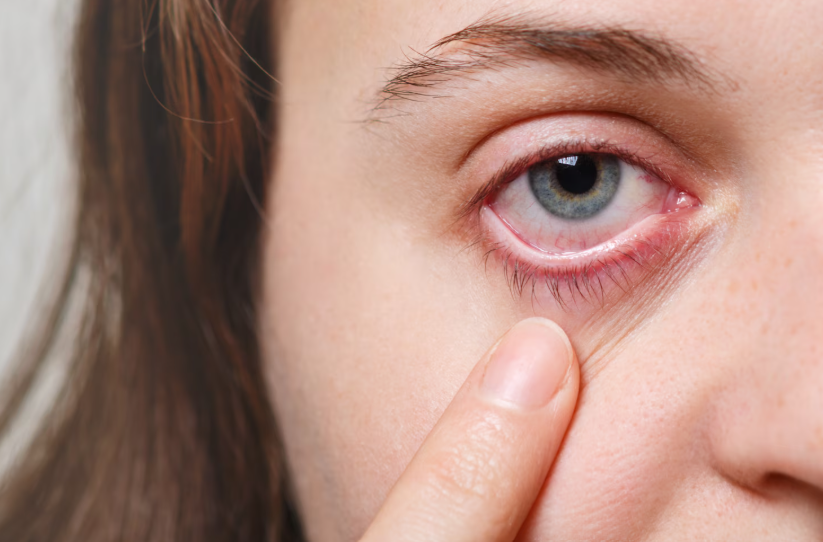
The inflammation caused by TED leads to swelling, discomfort, and sometimes even changes in appearance. In severe cases, it can threaten vision by compressing the optic nerve or causing corneal damage.
Common symptoms include:
- Bulging eyes (proptosis)
- Dryness or irritation
- Double vision
- Eyelid swelling or retraction
- Light sensitivity
- Eye pain or pressure
- Blurred or reduced vision
These symptoms can progress over time, making early diagnosis and treatment essential.
The Connection Between Thyroid and Eye Health
The thyroid gland plays a crucial role in regulating metabolism and maintaining hormonal balance. When thyroid hormone levels are abnormal, they can influence various body systems—including the eyes. The antibodies that attack thyroid cells may also react with tissues in the eye socket, leading to inflammation and fluid accumulation.
Because the symptoms of Thyroid Eye Disease overlap with other ocular conditions, consulting an expert becomes vital. A Retina specialist in Aurangabad can perform detailed imaging tests and retinal evaluations to differentiate between TED and other causes of visual disturbances. This helps ensure that the right treatment plan is developed for each patient.
Stages of Thyroid Eye Disease
TED generally progresses through two phases:
- Active (Inflammatory) Phase: This stage lasts from six months to two years. During this period, inflammation and swelling are prominent. Vision changes, discomfort, and redness are common.
- Inactive (Fibrotic) Phase: In this phase, the inflammation subsides, but scarring or tissue tightening may remain. Eyelid and eye position changes might require corrective surgery at this stage.
Early medical management during the active phase can prevent long-term complications and preserve visual clarity.
Diagnosing Thyroid Eye Disease
Diagnosis involves a combination of thyroid function tests and eye evaluations. Blood tests measure thyroid hormone levels and detect autoimmune antibodies. Imaging studies such as CT scans or MRI help assess the extent of tissue inflammation around the eyes.
Comprehensive eye exams conducted by specialists can also reveal early retinal or optic nerve involvement. In some cases, patients with Thyroid Eye Disease may experience changes in retinal blood vessels due to increased pressure behind the eyes. Here, collaboration with a Retina specialist in Aurangabad becomes valuable in monitoring and managing potential retinal complications.
Treatment and Management
1. Medications:
- Corticosteroids or immunosuppressive drugs help control inflammation.
- Selenium supplements may reduce the severity of mild cases.
2. Lifestyle Adjustments:
- Using lubricating eye drops to relieve dryness.
- Wearing sunglasses to protect sensitive eyes.
- Elevating the head while sleeping to reduce swelling.
3. Advanced Treatments:
- In severe cases, radiation therapy or targeted biological drugs may be recommended.
- Surgical options such as orbital decompression, eyelid surgery, or strabismus correction are considered after the inflammation has stabilized.
The Role of Regular Eye Examinations
Regular eye check-ups are essential for anyone with thyroid disorders. Early signs of eye changes may go unnoticed by patients but can be detected by specialists during examinations. Monitoring visual acuity, color vision, and eye pressure helps track disease progression and ensures timely intervention.
People with existing eye conditions, diabetes, or hypertension should be extra cautious, as these factors can worsen eye inflammation and increase the risk of complications. Maintaining overall health through proper diet, hydration, and sleep can also help minimize flare-ups.
Spreading Awareness and Taking Action
Awareness about Thyroid Eye Disease remains relatively low, despite its potential to cause vision loss. By educating communities and encouraging regular screenings, we can help more individuals recognize early symptoms and seek care promptly.
Hospitals and eye centers in Aurangabad are now equipped with state-of-the-art diagnostic and treatment technologies for comprehensive eye management. Consulting specialists who understand the connection between systemic conditions and ocular health can prevent vision
loss and improve quality of life.
Conclusion
Thyroid Eye Disease serves as a reminder of how interconnected our body systems truly are. A hormonal imbalance in the thyroid can lead to significant changes in vision and appearance, but with timely care, these effects can be managed successfully.
Collaborating with medical professionals, including an experienced Retina specialist in Aurangabad, ensures that both the underlying thyroid disorder and its ocular impact are treated effectively. Awareness, early diagnosis, and comprehensive care can help patients preserve their vision, confidence, and quality of life—allowing them to face each day with clarity and confidence.